
Understanding Hull Types: Choosing the Right Design for Your Boat
By Juno Underwood 4 min read
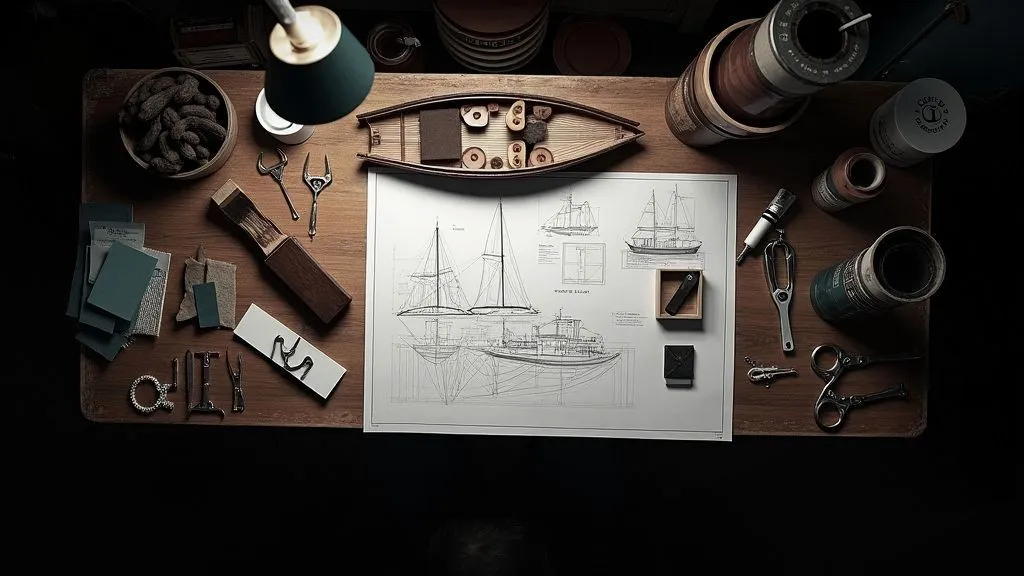
When it comes to boating, the hull design is one of the most crucial factors influencing performance, stability, and overall experience on the water. With numerous hull types available, it can be overwhelming for both new and experienced boaters to determine which one best suits their needs. This article delves into the various hull shapes, their characteristics, and the ideal conditions for their use, enabling you to make an informed decision when it comes to selecting a boat.
Types of Hulls
Understanding the different types of hulls can help you assess which one is the best fit for your boating adventures. Here’s a closer look at the most common hull types:
Displacement Hulls
Displacement hulls are designed to push through the water rather than glide on top. They are typically found on larger vessels and are characterized by their rounded or V-shaped designs.
Advantages:
- They provide a stable and smooth ride, particularly in choppy waters.
- These hulls can carry significant weight, making them ideal for larger boats or those meant for offshore cruising.
- Fuel efficiency is a strong point, as they can travel long distances at lower speeds without a significant fuel penalty.
Best Uses: Displacement hulls are perfect for long-distance cruising and larger yachts where comfort is a priority. They excel in offshore conditions, providing a safe and stable platform for extended voyages.
Planing Hulls
In contrast to displacement hulls, planing hulls are designed to rise up and glide on top of the water as speed increases. This design is commonly found in smaller powerboats and recreational vessels.
Advantages:
- Speed is a significant benefit, as planing hulls can achieve higher velocities with less effort.
- The ability to maneuver quickly makes them ideal for water sports and recreational boating.
- They typically have a shallower draft, allowing access to shallower waters.
Best Uses: If your primary activities include water skiing, wakeboarding, or simply enjoying a fast ride, a planing hull is likely your best option. They thrive in lakes and coastal areas where quick maneuvers and speed are essential.
Semi-Displacement Hulls
Bridging the gap between displacement and planing hulls, semi-displacement hulls can operate efficiently at various speeds. These hulls often have a flatter bottom and a more pronounced V-shape.
Advantages:
- Versatility in performance—these hulls can handle both slow cruising and faster travel.
- Better fuel efficiency at higher speeds compared to traditional planing hulls.
- Stability in rough waters, making them suitable for a range of conditions.
Best Uses: Semi-displacement hulls are ideal for boaters who want the flexibility to cruise at varying speeds, making them perfect for those who enjoy fishing or exploring.
Catamaran Hulls
Catamarans feature two parallel hulls, providing an entirely different boating experience. This design offers stability and space, making them popular for leisure and commercial purposes alike.
Advantages:
- Exceptional stability reduces the likelihood of capsizing, providing a safer ride.
- Increased deck space is great for entertaining or accommodating more passengers.
- They tend to have better fuel efficiency at higher speeds compared to monohulls.
Best Uses: Catamarans are excellent for families and parties, as well as for those looking for a comfortable cruising experience. They perform well in various conditions and can be utilized for both sailing and powerboats.
Monohull vs. Multihull: A Comparative Overview
When comparing hull types, consider the key differences between monohulls and multihulls, as each offers distinct advantages and challenges.
Monohulls
Monohulls, including both displacement and planing designs, are the traditional choice for many boaters. They can handle rough waters well but may be less stable than multi-hull designs.
Pros:
- Easier to sail and navigate, especially in challenging conditions.
- Typically have a deeper draft, enhancing stability and handling in heavy seas.
Cons:
- Less interior space compared to multihulls.
- More prone to heeling, which can impact comfort.
Multihulls
As previously mentioned, multihulls like catamarans provide unique advantages in stability and space, but they also come with certain considerations.
Pros:
- More stable and spacious, which is a perk for leisure boating.
- Generally faster at lower speeds than monohulls.
Cons:
- Can be more challenging to handle in certain conditions.
- More expensive to build and maintain.
Factors to Consider When Choosing a Hull
While it’s essential to understand the different hull types, several additional factors can influence your decision:
Intended Use
Consider what activities you plan to undertake. Are you looking for speed and excitement, or do you favor leisurely cruising? Matching your activities to the right hull design will enhance your overall boating experience.
Water Conditions
The type of water you’ll be navigating is crucial. Larger waves and rough seas may require a sturdy displacement hull, while calmer lakes could be better suited for a planing hull.
Budget
Cost can be a determining factor, not just in the purchase price but also in maintenance and fuel efficiency. Generally, multihulls come with a higher price tag, so it’s essential to factor this into your decision.
Comfort and Space
If you plan to spend extended time on your boat, prioritize a hull design that offers the comfort and space you need. This is particularly important for family outings or longer journeys.
Conclusion
Choosing the right hull type is fundamental to enjoying your boating experience. Whether you prioritize speed, stability, or comfort, understanding the shapes and designs available will help you make a well-informed choice. Evaluate your intended use, the types of waters you'll navigate, and your budget to find the best fit for your boating adventures. With the right hull, you can look forward to countless enjoyable days on the water.