
The Importance of High-Quality Jackets for Boating Adventures
By Juno Underwood 4 min read
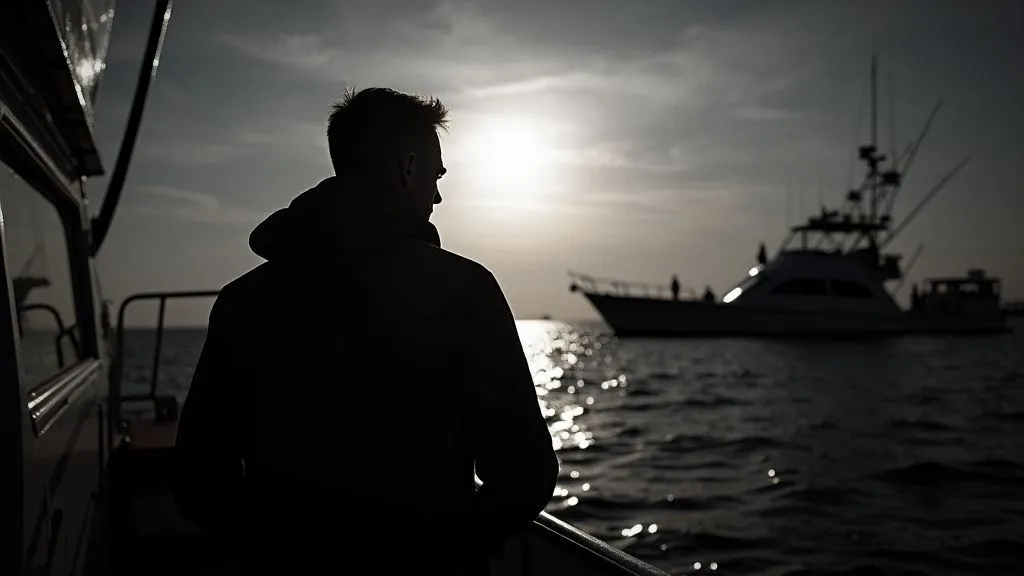
When venturing out on the open water, having the right gear is crucial for a safe and enjoyable experience. One of the most vital pieces of equipment, often overlooked, is the jacket. Whether you're navigating through choppy waters or enjoying a calm afternoon cruise, a high-quality boating jacket can make all the difference. This article will explore the essential features, materials, and styles of jackets designed specifically for boating enthusiasts.
The Role of a Boating Jacket
Protection from the Elements
A well-designed boating jacket serves multiple purposes. Its primary role is to shield you from varying weather conditions. On the water, temperatures can shift dramatically, and you may encounter wind, rain, or even splashes from waves. A quality jacket is essential for protecting against these elements, ensuring that you remain comfortable throughout your outing.
Safety Features
Safety is a top priority when boating. Many jackets come with built-in safety features, such as reflective materials, which increase visibility in low-light conditions. Some may also be equipped with buoyancy aids or pockets for storing essential gear. Investing in a jacket that prioritizes safety can provide peace of mind as you navigate the waters.
Key Features to Look For
Waterproof and Breathable Material
The ideal boating jacket should be both waterproof and breathable. Waterproof fabric keeps you dry during unexpected downpours or waves splashing onto the boat. At the same time, breathability is important to prevent overheating when you're active on deck. Look for materials such as Gore-Tex or similar high-performance fabrics, which offer this perfect balance.
Insulation for Temperature Control
If you plan to boat in cooler climates, consider a jacket with insulation. This will help regulate your body temperature and keep you warm without adding excessive bulk. Look for jackets that utilize synthetic insulation, which dries quickly and retains heat even when wet.
Adjustable Features
A great boating jacket should include adjustable cuffs, hems, and hoods. This allows for a customized fit, preventing water from seeping in and ensuring warmth. Additionally, adjustable features enhance comfort and ease of movement, which is vital during activities like fishing or docking.
Different Styles of Boating Jackets
Lightweight and Packable Jackets
For those who prefer a more minimalist approach, lightweight and packable jackets are an excellent option. These jackets are ideal for warm-weather boating, offering protection without the bulk. They can easily be stowed in a bag or onboard, making them convenient for spontaneous outings or day trips. Despite their lightweight design, many still offer water-resistant capabilities and UV protection.
Insulated Jackets
As previously mentioned, insulated jackets are perfect for cooler weather. These jackets often feature thicker materials and additional lining, delivering superior warmth. They are best suited for boating in late fall or early spring when temperatures can drop significantly. Look for options that still provide flexibility to allow for movement while you're on deck.
Foul Weather Gear
Foul weather jackets are designed specifically for heavy rain and wind. These jackets typically have a longer cut to ensure maximum coverage and may come with additional features such as storm flaps and adjustable hoods. They can be invaluable for serious sailors or anyone who finds themselves on the water in less-than-ideal conditions.
Choosing the Right Jacket for Your Needs
Assess Your Boating Environment
Before purchasing a jacket, consider the typical conditions you'll encounter. Are you sailing in warm waters, or do you navigate cooler, windier climates? Your environment will largely dictate the type of jacket you need. If you often boat in unpredictable weather, investing in a versatile jacket with multiple features may be wise.
Consider Your Activities
What activities do you enjoy while boating? If you primarily fish or engage in water sports, you'll need a jacket that allows for ample mobility. In contrast, if you spend more time leisurely cruising, you might prioritize comfort and style over extreme functionality.
Fit and Comfort
Finally, always prioritize fit and comfort. A jacket that is too tight may restrict movement, while one that is too loose may allow water to seep in. When trying on jackets, ensure that you can move freely and that all closures are secure. Additionally, wearing layers underneath can help you assess how the jacket will feel in varying temperatures.
Maintenance Tips for Your Boating Jacket
Cleaning
To ensure longevity, make sure to clean your jacket according to the manufacturer's instructions. Many waterproof materials require special care, so check if you need to use specific detergents or avoid fabric softeners that can impair water resistance.
Storage
When storing your jacket, make sure it is completely dry to prevent mildew or odors. Avoid folding it in a way that could damage the fabric, and consider hanging it up to maintain its shape.
Regular Inspection
Regularly inspect your jacket for wear and tear, especially after extensive use. Check zippers, seams, and waterproofing layers. Early detection of any issues can help extend the life of your jacket and keep you protected during your boating adventures.
Conclusion
The right boating jacket is more than just a piece of clothing; it's an investment in your comfort and safety on the water. By understanding the essential features, styles, and maintenance of a high-quality jacket, you can make informed decisions that enhance your boating experience. With the right gear, you'll be ready to embrace the joys of boating, regardless of what the weather has in store.